
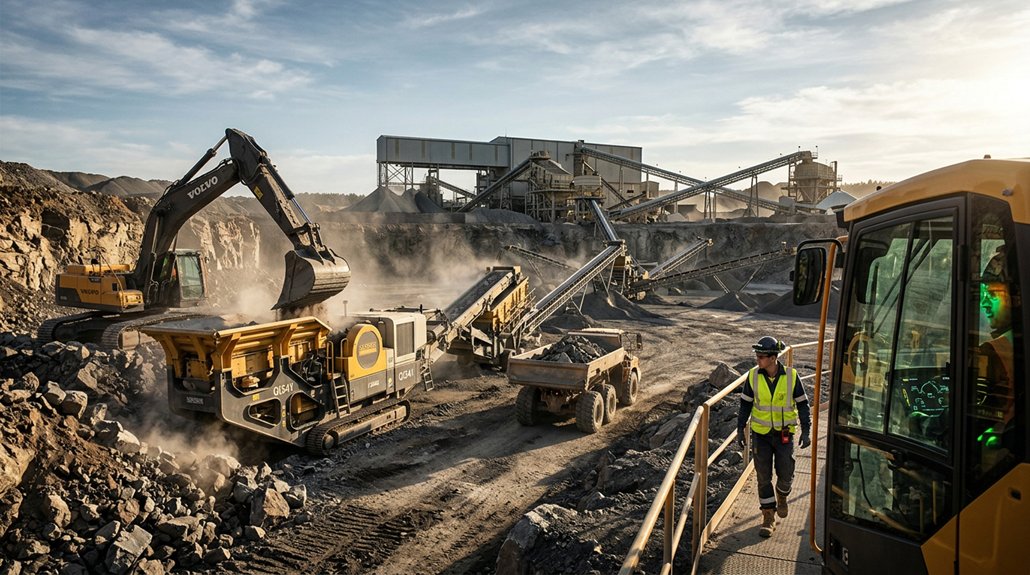
Choosing between mobile and static processing plants starts with your quarry’s reserves, bench locations, output targets, and project duration. A mobile plant can follow changing extraction areas and reduce material handling, while a static plant typically delivers higher throughput and predictable operating costs at a fixed site. Telematics adds another decision layer by tracking fuel use, cycle times, machine health, and idle hours. The right data can expose hidden costs before they shape your investment.
Key Takeaways
- Choose mobile plants for changing benches, shorter haul routes, phased reserves, and operations requiring rapid relocation.
- Choose static plants for stable geology, predictable feed volumes, higher throughput, automation, and lower long-term unit costs.
- Compare capacity, product consistency, fuel use, maintenance, relocation frequency, civil works, and total cost per tonne before deciding.
- Use telematics to track machine hours, payloads, fuel consumption, idle time, locations, fault codes, and cycle-time performance.
- Combine geofencing, alerts, and historical analytics to optimize dispatch, detect maintenance risks, reduce downtime, and improve fleet efficiency.
Compare Mobile and Static Plants First
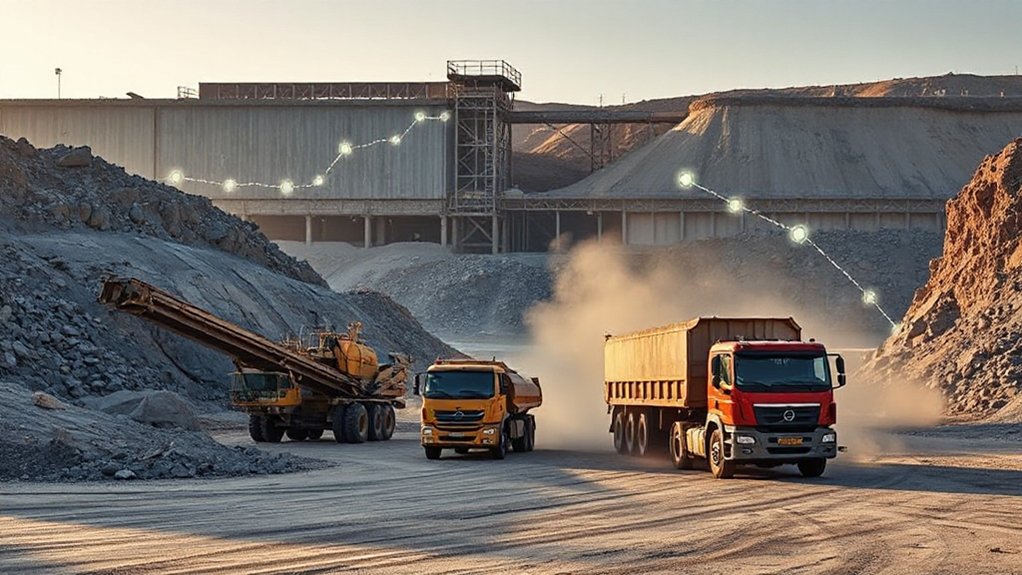
Mobile plants move between extraction points, reducing haul distances and often accelerating setup, while static plants deliver higher throughput and consistent, centralized processing once installed.
Compare both systems using measurable operating criteria before selecting equipment. Track tonnes per hour, fuel consumption per tonne, product-size consistency, maintenance hours, and relocation frequency.
Mobile units can shorten truck cycles and reduce temporary road construction, potentially lowering Environmental impact. However, repeated moves add wear, require transport planning, and may interrupt production.
Static plants usually support larger feed systems, automated circuits, and higher availability, but foundations, conveyors, utilities, and permits increase installation complexity.
Model five-year costs rather than purchase price alone: include civil works, labor, energy, spares, downtime, and eventual removal.
Your decision should reflect total cost per saleable tonne, reliability targets, and required production flexibility.
Match Plant Type to Quarry Conditions
Once you’ve compared total cost and performance, match the plant to your quarry’s physical and production conditions.
Choose a mobile plant when extraction faces changing benches, narrow haul roads, or short-term work areas. Its relocation capability can reduce haul distances and support phased extraction.
Select a static plant when geology, feed volumes, and product specifications remain stable over a long operating period.
Assess rock abrasiveness, moisture, maximum feed size, and required throughput against each plant’s rated capacity.
Map access gradients, ground bearing strength, stockpile space, and maintenance routes before selecting equipment.
Consider Environmental impact: shorter material movements may reduce fuel use, dust, noise, and emissions.
Early Community engagement can identify traffic, visual, and operating-hour constraints.
Use production data and site surveys to validate the decision.
Calculate Costs Beyond the Purchase Price
Don’t compare plants on purchase price alone; calculate total cost of ownership across the planned operating period. Add installation, civil works, commissioning, transport, fuel or electricity, labor, maintenance, wear parts, downtime, insurance, and eventual removal.
Request supplier estimates using identical production hours, material characteristics, and energy prices. Then model annual costs and divide them by forecast tonnes to determine cost per tonne.
For a mobile plant, include relocation frequency, haulage, setup time, and route preparation. For a static plant, quantify foundations, conveyors, fixed utilities, and dismantling.
Use telematics to validate fuel burn, engine hours, idle time, fault events, and service intervals against those assumptions. Track replacement-component life and unplanned stoppages, because they can materially change cost efficiency.
Finally, price emissions, dust control, water use, and rehabilitation to measure environmental impact over the plant’s full life.
Balance Flexibility, Capacity, and Output
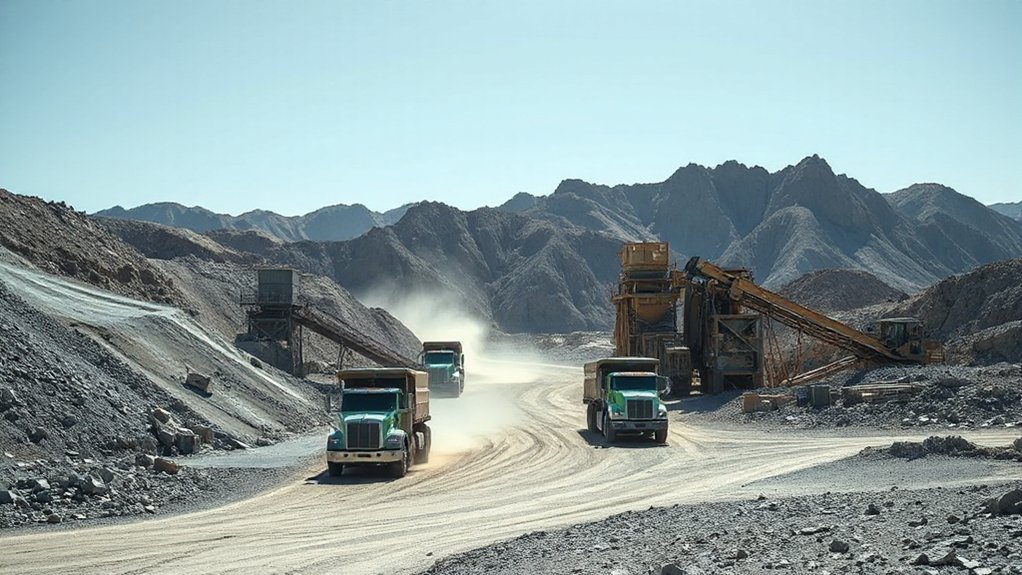
You’ll need to match plant capacity to your quarry’s feed rate, product specifications, and target output. Compare tonnes per hour, utilization, and peak-demand requirements rather than relying on nominal capacity alone.
Then weigh mobile flexibility—such as staged production and relocation—against the consistent throughput and streamlined logistics of a static plant.
Match Plant Capacity
Match plant capacity to your quarry’s required output, feed characteristics, and production schedule—not its peak theoretical rating. Start with a mass-balance calculation: tonnes per hour required, operating hours, material moisture, bulk density, and expected downtime.
Then compare those figures with each plant’s proven throughput, not its brochure maximum. An oversized static plant may increase capital costs, power consumption, and environmental impact when demand remains variable. An undersized mobile plant can create bottlenecks, excessive recirculation, and missed delivery commitments.
Use historical production data and telematics to identify actual utilization, choke points, and seasonal peaks. Include screening efficiency, crusher reduction ratios, stockpile limits, and maintenance allowances in your model.
Finally, verify that selected capacity supports regulatory compliance, product specifications, and safe operating margins without paying for unused output.
Weigh Operational Flexibility
Operational flexibility should reflect how often your quarry’s face, feed source, product mix, and production schedule change—not simply whether a plant can move. Evaluate how quickly you can relocate, reconfigure circuits, and return to target throughput.
Mobile plants typically improve operational agility, reducing haul distances and enabling staged extraction, but frequent moves can increase setup time, fuel use, and maintenance exposure.
Static plants usually deliver steadier output and lower unit costs when feed remains consistent, yet they may limit response to changing reserves or contracts.
Assess equipment versatility by measuring allowable feed sizes, crusher settings, screening configurations, and product specifications.
Use telematics to compare relocation hours, utilization, tonnes per operating hour, fuel consumption, and downtime.
Choose the configuration that balances flexibility with capacity, reliability, and profitable output.
Plan Maintenance Around Each Plant Setup
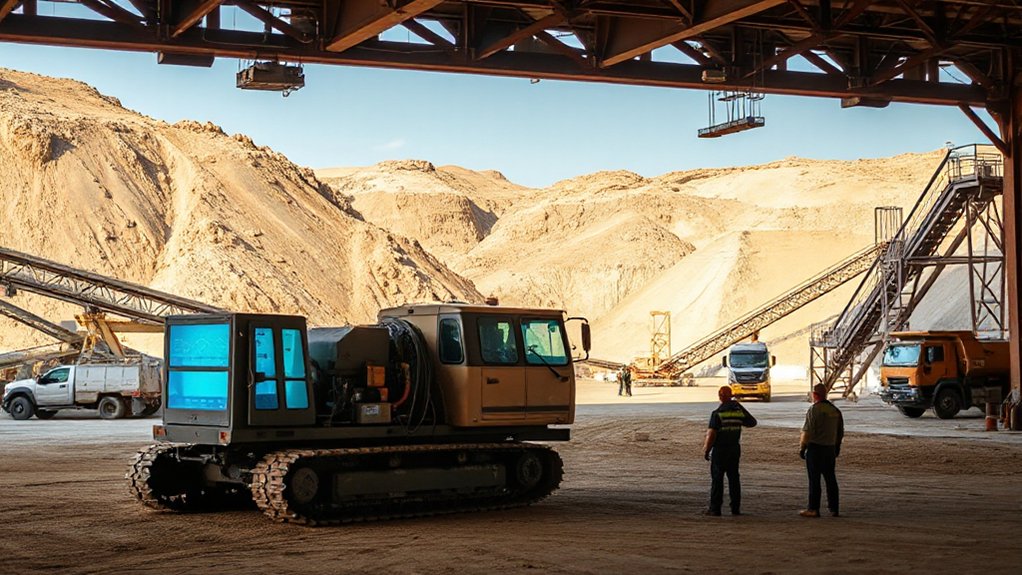
You’ll reduce unplanned stoppages by scheduling preventive maintenance according to each plant’s access, mobility, and operating hours.
Track component wear with inspection data, vibration readings, and service-life limits so you can replace parts before failure.
Coordinate service downtime with production targets, transport requirements, and available technicians.
Schedule Preventive Maintenance
Preventive maintenance should follow each plant’s setup, duty cycle, and access requirements rather than a fixed calendar alone.
For a mobile plant, schedule inspections before relocation, after commissioning, and at intervals based on operating hours. Confirm transport restraints, fluid levels, guarding, electrical connections, and emergency stops before restarting production.
A static plant needs coordinated shutdown windows, with tasks grouped to minimize lost throughput and contractor access time. Use Remote monitoring to review runtime, alarms, temperatures, pressure readings, and fuel consumption, then trigger work orders when data crosses defined thresholds.
Apply component diagnostics to verify faults before dispatching technicians and carrying replacement parts. Assign each task an owner, deadline, safety control, and sign-off record.
Your maintenance schedule should adapt to production plans, weather, site access, and criticality. Review completion data weekly and adjust intervals when operating conditions change.
Track Component Wear
Track component wear by combining operating-hour records, inspection findings, and condition data for each plant configuration. Telematics can link belt hours, crusher load, vibration, temperature, and fuel use to specific mobile or static equipment.
You’ll see whether a mobile plant’s frequent relocation accelerates conveyor, track, or hydraulic wear, while a static setup may concentrate stress in feeders, bearings, and transfer points.
Verify sensor accuracy against calibrated instruments and physical measurements; unreliable readings can distort replacement thresholds.
Record wear rates for liners, screens, belts, rollers, and bearings, then compare actual consumption with manufacturer limits and your historical baseline.
This evidence helps you forecast component longevity and refine inspection intervals without treating every plant identically.
Keep digital records by asset, location, duty cycle, and material, so each maintenance decision reflects real operating conditions.
Coordinate Service Downtime
Coordinate service downtime around the plant configuration, production schedule, and access requirements rather than applying one maintenance window to every asset.
For mobile plants, use telematics to identify low-output periods, travel routes, and safe staging areas before scheduling inspections, belt changes, or liner replacement.
Static plants need a different plan: isolate conveyors and crushers in sequence, preserve critical stockpile capacity, and coordinate contractors with fixed-site permits.
Combine engine hours, vibration alerts, fuel trends, and component wear data to prioritize work and prevent unnecessary shutdowns.
Account for Equipment durability when setting service intervals; harsh feed and frequent relocation can accelerate wear on mobile units.
Review Training requirements too, ensuring operators understand lockout procedures, remote alerts, and restart checks.
Document each intervention, compare downtime against production loss, and refine future maintenance windows.
Use Telematics to Track Quarry Fleet Performance
When you use telematics across your quarry fleet, you can monitor machine hours, fuel consumption, idle time, payloads, locations, and fault codes in real time. This visibility helps you compare trucks, loaders, excavators, and processing equipment against production targets.
Review dashboard trends to identify underused assets, excessive travel, queue delays, and uneven cycle times. Geofencing can confirm haul routes, loading zones, and restricted-area compliance, while payload data reveals whether each truck operates within its rated capacity.
Combine live alerts with historical reports to measure operator performance and coordinate dispatch decisions. Your supervisors can then adjust assignments, balance production flows, and improve fleet optimization using consistent evidence rather than assumptions.
Export telematics records into data analytics tools to benchmark shifts, sites, and equipment classes, strengthening daily operational control across your quarry.
Turn Fleet Data Into Maintenance Savings
Fleet data can turn reactive repairs into planned maintenance savings. Use telematics to compare engine hours, load cycles, fuel burn, fault codes, and idle time against manufacturer service intervals.
When you spot rising coolant temperatures, abnormal vibration, or declining fuel efficiency, schedule an inspection before a component fails. Data analytics also helps you rank assets by risk, so you can direct technicians, parts, and downtime where they’ll deliver the greatest return.
Connect service records with machine data to measure mean time between failures, repair duration, and maintenance cost per operating hour. Those metrics expose recurring problems, validate preventive intervals, and support fleet optimization.
Set automated alerts for critical thresholds, but require technicians to verify each alert before replacing parts. You’ll reduce emergency callouts, protect production hours, and improve maintenance-budget accuracy.
Choose the Quarry Setup That Scales
Choose a quarry setup that scales by matching plant mobility to deposit conditions, production targets, and the cost of relocating equipment. A mobile plant can follow extraction faces, reducing haul distances and supporting phased reserves.
A static plant usually delivers higher throughput, automation, and lower unit costs when you’ll operate one site for decades. Compare lifecycle costs, including foundations, conveyors, fuel, transport, permitting, and downtime during moves.
Use telematics to model tonnes per hour, fuel burn, utilization, and maintenance trends before committing capital. Build expansion triggers into your plan: rising demand may justify additional screens, crushers, or stockpiling capacity.
Budget Equipment upgrades against forecast margins, not headline capacity. Finally, schedule Staff training for controls, diagnostics, and safe relocation.
Review performance quarterly and adjust the configuration as conditions change.
Frequently Asked Questions
What Permits Are Required Before Installing or Moving a Quarry Processing Plant?
You’ll need permits covering land use, environmental impact, air emissions, water discharge, noise, traffic, and construction. Confirm local permitting procedures and legal requirements before installation or relocation, then document inspections, approvals, and operating conditions.
How Do Environmental Regulations Affect Mobile and Static Plant Operations?
Environmental regulations shape your site selection, operating hours, dust controls, water management, and monitoring requirements. Environmental compliance demands documented inspections, while emission standards govern engines, generators, crushers, and conveyors across mobile and static plants.
What Safety Training Should Operators Receive for Quarry Processing Equipment?
Your Operator safety program should lay the groundwork through Equipment training: teach hazard recognition, lockout/tagout, emergency response, prestart inspections, traffic control, and PPE use; verify competence with practical assessments, refreshers, and incident data reviews.
How Can Processed Aggregate Quality Be Tested and Certified?
You can verify processed aggregate quality through representative sampling, sieve analysis, moisture measurements, density testing, abrasion resistance, and contaminant checks. Document results against applicable certification standards, maintaining traceability, calibrated equipment, and independent laboratory verification.
What Financing Options Are Available for Purchasing or Leasing Quarry Plants?
You can compare financing options including equipment loans, vendor finance, hire-purchase, and leasing agreements. Assess deposits, interest rates, residual values, tax treatment, maintenance costs, cash flow, and utilization before committing to ownership or leasing.
Conclusion
The right quarry setup depends on evidence, not assumptions. Mobile plants give you flexibility and lower relocation impact; static plants deliver consistent, high-volume output. Concerned that telematics adds complexity? Modern systems turn machine data into clear alerts for fuel use, utilization, and maintenance—without replacing your team’s judgment. Compare total costs, production targets, access, and expansion plans, then track results continuously. With the right plant and data, you’ll reduce downtime, control operating costs, and scale confidently.