
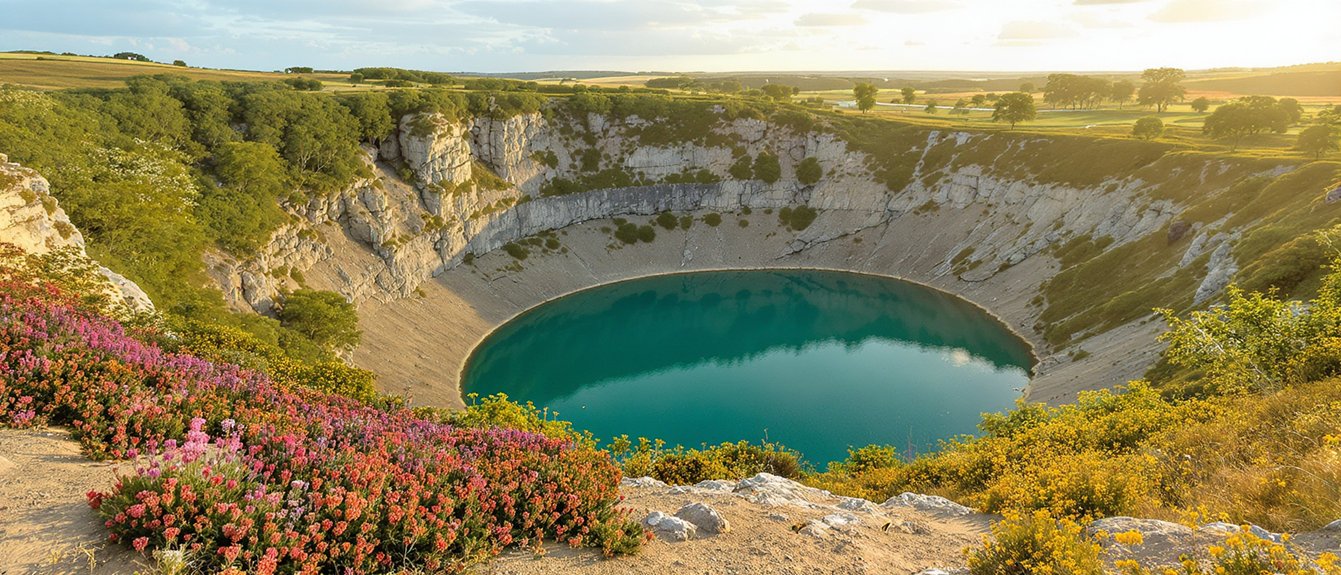
You can transform a worked-out quarry into a functioning nature reserve that delivers measurable biodiversity net gain. Start by setting a robust baseline and clear restoration objectives, then reshape landforms, restore lakes, cliffs, grasslands and wetlands, and target habitats to priority species. If you secure funding, monitoring and long-term management, your project can connect fragmented ecosystems—but the critical gains depend on decisions made before restoration begins.
Key Takeaways
- UK quarries can deliver biodiversity net gain by combining native woodland, species-rich grassland, wetlands, ponds, scrub, and exposed rock.
- Baseline surveys of habitats, species, soils, hydrology, and water quality guide measurable restoration objectives and planning decisions.
- Reprofiled lake margins, secure slopes, shallow shelves, and managed drainage create safer, more diverse wetland and terrestrial habitats.
- Targeted features, including sand martin faces, amphibian shallows, log piles, scree, and bare ground, support priority quarry wildlife.
- Long-term monitoring, community stewardship, enforceable management plans, and 30-year funding maintain biodiversity gains and enable adaptive management.
How Quarry Restoration Delivers Biodiversity Net Gain
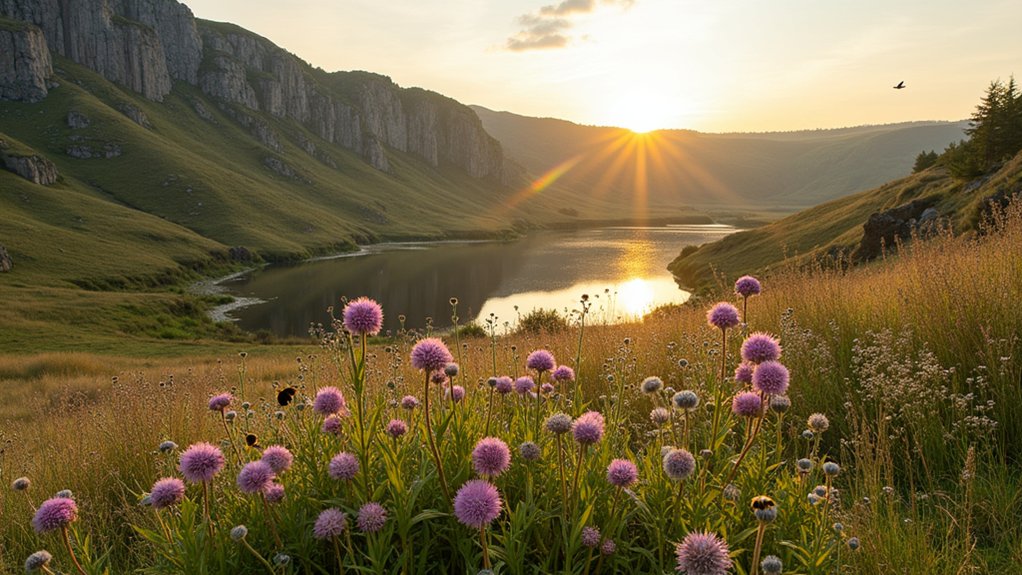
Quarry restoration delivers biodiversity net gain by converting disturbed land into a planned network of habitats that supports more species and ecological functions than the original site. You can combine native woodland, species-rich grassland, scrub, ponds, wetlands, and exposed rock to create complementary niches.
Shape landforms and manage drainage so habitats connect across the site and support movement, breeding, and feeding. Use locally appropriate seed, planting stock, and substrate, then control invasive species and grazing pressure through practical management.
Community engagement can improve access, stewardship, and local ecological knowledge while strengthening project acceptance. Policy incentives, planning requirements, and habitat markets can help fund delivery and secure long-term management.
Your restoration team should coordinate contractors, ecologists, landowners, and regulators to turn extraction infrastructure into a functioning, resilient nature reserve.
Set Baselines and Restoration Objectives
Before you design the final landform, establish a baseline for habitats, species, soils, hydrology, water quality, and existing ecological functions. Use UKHab mapping, targeted surveys, laboratory testing, and seasonal monitoring to quantify condition, distinctiveness, connectivity, and pressures.
Record invasive species, protected features, contaminated areas, and constraints that could affect delivery or future management. Set measurable restoration objectives that align with planning conditions, Biodiversity Net Gain requirements, mineral permissions, and the site’s long-term ecological capacity.
Define target habitat conditions, performance indicators, monitoring intervals, responsibilities, and trigger points for corrective action, without predetermining construction details.
Consult regulators, landowners, local groups, and residents early; Community engagement can improve objectives and reduce conflict.
Build realistic funding strategies covering capital works, aftercare, monitoring, and perpetual management, then secure commitments through enforceable plans and agreements.
Restore Quarry Lakes, Cliffs, Grasslands and Wetlands
With baselines, objectives, and delivery responsibilities agreed, shape restoration around the quarry’s distinct landforms and water regime.
Reprofile unsafe lake margins to create varied shallow shelves, secure slopes, and establish natural drawdown zones. Manage water levels, sediment, and nutrient inputs so wetlands develop without compromising flood storage or water quality.
Retain stable cliffs, remove loose material only where risk assessments require it, and protect exposed rock faces from unnecessary engineering.
On benches and spoil areas, replace compaction with locally appropriate substrates, then allow Ecological succession to build structural diversity.
Use selective mowing, grazing, and invasive-species control to maintain open grasslands and prevent scrub domination.
Monitor establishment, erosion, hydrology, and safety through each management cycle.
Build Community engagement through site walks, clear signage, volunteer surveys, and transparent progress reporting.
Design Habitats for Target Quarry Wildlife
Once the site’s physical conditions are understood, design habitat features around the target species’ nesting, feeding, shelter, and movement requirements. Use survey evidence to select priority quarry wildlife, then translate each requirement into measurable site features.
For sand martins, retain stable, near-vertical faces with suitable substrate and limit disturbance during nesting. Create shallow, seasonally varied margins for amphibians and invertebrates, linking water to rough grassland through Wildlife corridors.
Specify native plantings that provide sequential flowering, seed sources, and larval food, while avoiding invasive or non-local stock. Add log piles, scree, bare ground, and hibernation refuges where reptiles and small mammals need cover.
Vary vegetation height and manage edge structure to connect feeding areas with shelter. Coordinate habitat layouts with haul roads, drainage, fencing, and public access so operational requirements don’t sever ecological function.
Measure and Secure Long-Term Biodiversity Gains
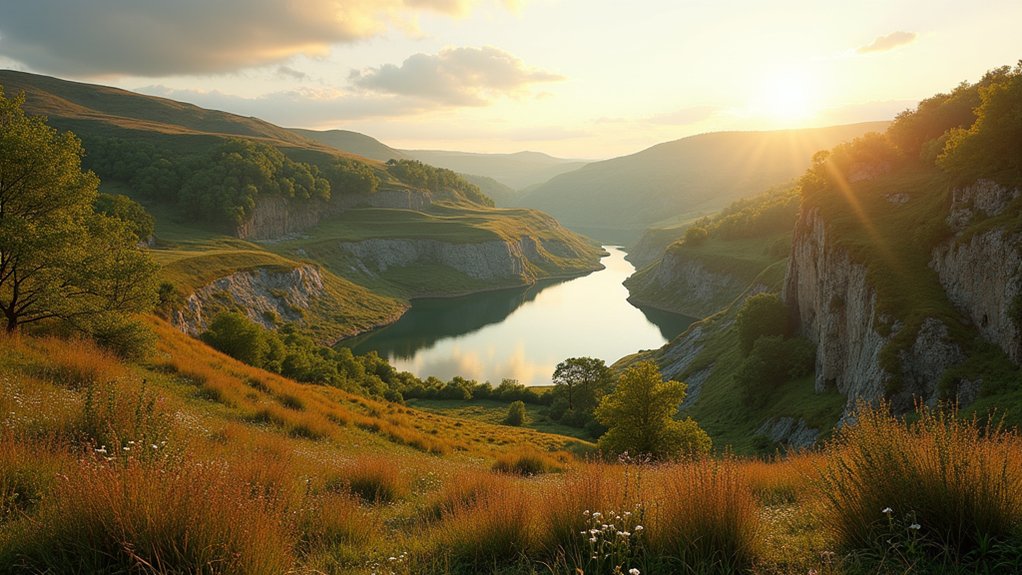
Turn the habitat design into measurable outcomes by establishing baseline surveys, target indicators, and a monitoring schedule before restoration work begins. Track habitat condition, species presence, soil performance, hydrology, and invasive plants against agreed metrics, using repeatable methods and geo-referenced records.
Assign responsibilities, budgets, reporting dates, and corrective actions so your management team can respond quickly when results fall short. Use independent ecologists to verify data and publish concise annual summaries for regulators, landowners, and funders.
Community engagement strengthens surveillance: train local volunteers to record wildlife, report damage, and support practical maintenance.
Secure gains through enforceable management plans, conservation covenants, and restoration obligations aligned with Policy frameworks and biodiversity net gain requirements.
Review outcomes at defined milestones, adapt interventions, and fund monitoring and management for at least thirty years through ring-fenced provisions.
Frequently Asked Questions
How Are Local Communities Involved in Quarry Restoration Decisions?
You influence quarry restoration through Community engagement: attending consultations, reviewing plans, identifying local priorities, and monitoring outcomes. Local partnerships with councils, conservation groups, landowners, and operators help shape practical, transparent decisions and long-term stewardship.
What Planning Permissions Are Required Before Quarry Restoration Begins?
You can’t simply reshape a quarry and plant trees; secure planning permission, mineral-condition amendments, and environmental permits first. Assess environmental impact, then specify restoration techniques, drainage, habitat creation, monitoring, and aftercare requirements.
Who Pays for Biodiversity Improvements at Former Quarry Sites?
You’ll usually fund biodiversity improvements through quarry operators’ restoration budgets, planning obligations, grants, or biodiversity-credit sales. Financial incentives and Environmental offsetting can reduce costs, while regulators require developers to finance legally committed habitat delivery and long-term management.
Can Restored Quarries Support Public Access and Recreational Activities?
Yes—you can design restored quarries for public access, walking, cycling, birdwatching, and education. Plan safe routes, manage visitor pressure, connect Wildlife corridors, and support responsible Eco tourism development without compromising habitat restoration or quarry stability.
Which UK Organisations Regulate Quarry Restoration and Biodiversity Net Gain?
You’ll work with the Environment Agency, Natural England, local planning authorities, and devolved regulators: they assess permits, restoration schemes, Ecological surveys, Wildlife corridors, and mandatory biodiversity net gain obligations across quarry developments.
Conclusion
Quarry restoration can deliver measurable biodiversity net gain when you treat every intervention as part of a monitored, connected system. You’ll establish a baseline, reshape landforms, manage water, and secure habitats through long-term stewardship. For example, a flooded limestone quarry might combine reedbed margins, shallow ponds, cliff ledges, and species-rich grassland, supporting amphibians, birds, and pollinators. With community input and repeat surveys, you’ll verify gains, correct failures, and convert an industrial footprint into a resilient nature reserve.